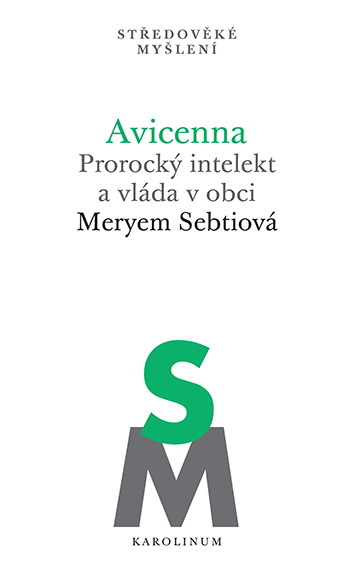
Avicenna
Prorocký intelekt a vláda v obci
[Avicenna. Prophetic intellect and the governance of the city]
subjects:
religion, philosophy
series:
Středověké myšlení
paperback, 284 pp., 1. edition
translation: Pokorný, Martin
published: february 2026
ISBN: 978-80-246-6245-9
recommended price: 420 czk
summary
Abū ‘Alī al-Husayn ibn Sīnā (c. 970–1037), known as Avicenna, is a key figure in Arabic thought and science. He also had a major influence on Latin Christian philosophy thanks to Latin translations produced in the 12th century. His doctrine of the “sacred intellect,” which has been largely overlooked by researchers, combines theology, cosmology, metaphysics, and psychology, and presents the prophet as the active centre of the human world, who makes it possible for a particular historical community to be properly integrated into the order of the universe. Avicenna’s doctrine of prophecy is a transposition of Plato’s philosopher king into the context of Islam, outlining a framework which, through the influence of Moses Maimonides and Albertus Magnus, helped define the very concept of the task and meaning of philosophy in the context of all three major monotheistic religions.
newest releases in the series
Mistr Eckhart